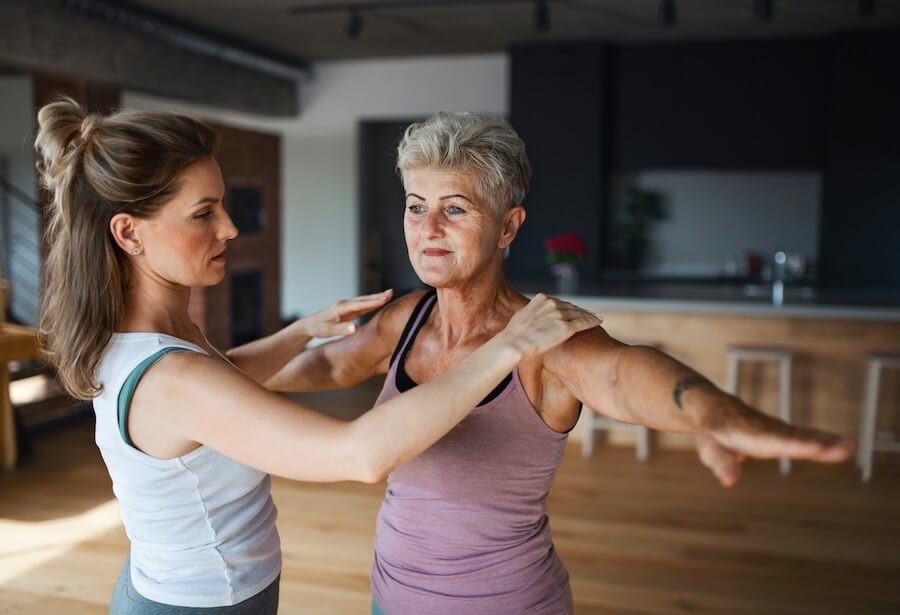
Starting physical therapy can be both exciting and a bit daunting. Whether you’re recovering from an injury, managing chronic pain, or working on overall strength and flexibility, one key to a successful session is dressing appropriately. The right attire can make a significant difference in your comfort, mobility, and overall experience.
Prioritize Comfort and Flexibility
The most important consideration when dressing for physical therapy is comfort. Sessions often involve a range of motions, from stretching to strengthening exercises, which means your clothing should allow for maximum movement. Opt for garments made from breathable, stretchy fabrics like cotton, spandex, or moisture-wicking blends. These materials provide flexibility, keep you cool, and help prevent chafing.
Suggested items:
- Loose-fitting T-shirts or tank tops: These allow your arms and shoulders to move freely without restriction.
- Stretchable pants or shorts: Athletic shorts, leggings, or sweatpants made of stretchy material are ideal. They accommodate various movements, from squats to lunges, without causing discomfort.
Consider Layering for Temperature Control
Physical therapy clinics can vary in temperature, and your body temperature may change as you exercise. Dressing in layers allows you to adjust your clothing to stay comfortable throughout your session. Start with a breathable base layer and add or remove outer layers as needed.
Suggested items:
- Lightweight jackets or hoodies: These can be easily removed once you warm up.
- Long-sleeve shirts or zip-up tops: Useful for warming up or cooling down without overheating.
Choose Appropriate Footwear
Footwear is a super important aspect of your PT session attire, as the right shoes can provide support and prevent injuries. Depending on the nature of your therapy, different footwear may be appropriate.
Suggested items:
- Athletic shoes with good support: For general physical therapy involving walking, balance exercises, or light cardio, wear supportive sneakers with good grip and cushioning.
- Non-slip socks or barefoot: In some cases, your therapist may ask you to remove your shoes, especially if the session involves balance or proprioceptive exercises. Non-slip socks can provide some grip while still allowing your feet to move freely.
Avoid Restrictive Clothing and Accessories
Restrictive clothing can hinder your movement and make certain exercises difficult or uncomfortable. Avoid items that are too tight, have rigid materials, or contain accessories that could get in the way.
Items to avoid:
- Jeans or pants with limited stretch: These can restrict leg movements and cause discomfort.
- Clothing with zippers, buttons, or belts: Such accessories can dig into your skin or become caught in exercise equipment.
- Jewelry and watches: These can get in the way or become damaged during exercises. It’s best to leave them at home or in a safe place during your session.
Wyomissing Physical Therapy | Direct Access PT Reading PA
At Wyomissing Physical Therapy, we believe everyone deserves top-notch care and personalized attention. That’s why we accept over 20 different insurance plans. Our Direct Access Physical Therapy certification from the Pennsylvania Physical Therapy Association allows us to provide treatment without needing a physician’s referral. When you come to our clinic, you save on extra copays and avoid disruptions to your busy schedule. You’ll benefit from ample time with experienced healthcare professionals and, most importantly, find the pain relief you’ve been seeking. Plan your visit today!