Hip Pain & Injuries
Hip pain can limit your ability to move, exercise, and enjoy everyday activities. At Wyomissing Physical Therapy, we specialize in identifying and treating the full range of hip-related injuries and conditions. Whether your discomfort is recent or has been building for years, our experienced team is here to help restore comfort, stability, and mobility through targeted, evidence-based treatment plans.
Understanding Hip Pain
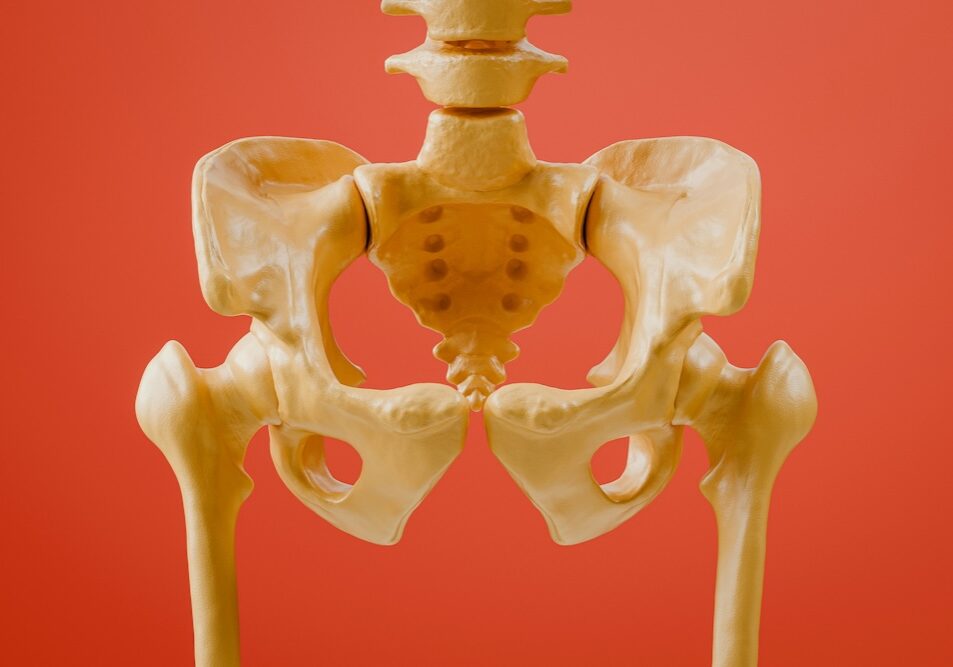
The hip is one of the largest and most complex joints in the body. It supports your body weight, allows for a wide range of movement, and absorbs the impact of walking, running, and lifting. Because of its role in so many daily activities, the hip is vulnerable to both acute injuries and wear-and-tear over time.
Hip pain can result from muscle strains, joint dysfunction, inflammation, or structural abnormalities. You might feel it directly in the hip, or the pain may radiate into the groin, lower back, or thighs. This area of pain can be difficult to diagnose. Often, hip arthritis will present as a “hip flexor” injury delaying proper treatment. Groin pain can appear to be a simple muscle pull but can truly be caused by a core muscle injury. A proper evaluation is key to making the correct diagnosis so the problem does not worsen and focused treatment can begin. Our team performs a thorough assessment to pinpoint the root cause of your symptoms and build a personalized recovery plan, or we make the proper referral to a specialist.
Common Causes of Hip Injuries
At Wyomissing Physical Therapy, we work with patients dealing with a wide variety of hip-related conditions, including:
- Hip flexor strains: Often caused by overuse or sudden movement, leading to pain at the front of the hip.
- Trochanteric bursitis: Inflammation of the bursa near the outer hip, common in runners and older adults.
- Arthritis: Degenerative changes in the hip joint can limit motion and lead to stiffness or grinding.
- Labral tears: Damage to the ring of cartilage that lines the hip socket, often causing pain, clicking, or locking.
- Femoroacetabular Impingement (FAI): A structural issue where extra bone growth leads to friction in the joint, particularly during hip flexion or rotation.
- Post-surgical rehab: Following hip replacements, labral repairs, or other surgeries, we help patients rebuild strength and confidence in their movement.
If you are experiencing any redness, swelling, or fever associated with your knee pain, you could be experiencing a potentially life-threatening infection and should seek medical attention immediately.
Spotlight on Hip Labral Injuries
The labrum is a ring of cartilage that surrounds the hip socket (acetabulum), helping to stabilize the joint and cushion movement. Labral tears can develop suddenly from trauma or gradually from repetitive motion. Athletes who pivot or rotate frequently—such as soccer, hockey, and dance participants—are at higher risk.
Symptoms of a labral injury often include deep hip or groin pain, stiffness, clicking, or a feeling of instability. While surgery is sometimes needed, many patients benefit from physical therapy focused on improving joint mechanics, reducing inflammation, and strengthening surrounding muscles.
Our labral injury programs are designed to decrease strain on the joint while helping you regain functional movement. We guide patients through a progressive plan that may include manual therapy, core stabilization, targeted stretches, and balance work.
Femoroacetabular Impingement (FAI)
FAI occurs when abnormal contact between the femoral head and the hip socket causes damage to the joint. There are two main types:
- Cam impingement, where extra bone forms on the femoral head
- Pincer impingement, where bone overgrowth on the acetabulum leads to over-coverage of the socket
FAI can limit hip range of motion and cause aching or sharp pain, especially during squats, prolonged sitting, or twisting motions. If left untreated, it can contribute to labral tears and early-onset arthritis.
Our physical therapists focus on improving joint alignment and muscle function to reduce friction and irritation. Treatment often includes movement retraining, joint mobilization, and strengthening the muscles that control hip movement. We also educate patients on activity modification to support long-term joint health.
Your physical therapist is there to guide you every step of the way. An experienced physical therapist knows exactly what questions to ask and signs to look for.
Our Approach to Hip Rehabilitation
At Wyomissing Physical Therapy, every treatment plan starts with a one-on-one evaluation. We take the time to understand your symptoms, activity level, goals, and medical history. Using this information, we develop a custom program that addresses the underlying problem—not just the symptoms.
Therapies we may use include:
- Manual therapy to relieve tension and improve mobility
- Strengthening exercises targeting the core, glutes, and hip stabilizers
- Stretching routines to improve flexibility and reduce pressure on the joint
- Balance and coordination training to support safe movement
- Home exercise programs for long-term progress
Whether you’re a high-level athlete or just want to walk without pain again, our goal is to help you move better and feel better.
Wyomissing Physical Therapy | Board Certified Sports PT
If you're dealing with hip pain or a diagnosed injury like a labral tear or FAI, you don’t have to deal with it alone. The team at Wyomissing Physical Therapy is ready to support your recovery with personalized care and proven strategies. Contact us today to schedule your initial evaluation and take the first step toward lasting relief.