Physical Therapy for Knee Pain
Whether you recently suffered an injury, underwent surgery, or are battling general knee pain, physical therapy is your first line of defense. Our knees change as we age, and undergo intense amounts of stress when we run. Therefore experiencing knee pain is nothing unusual. We commonly see patients recovering from knee surgery, battling an ACL tear, meniscal tear, tendinitis, or something else. Physical therapy is the first non-surgical method of treating knee pain. How can physical therapy reduce knee pain? How can physical therapy treat and diagnose knee injuries? Find out now.
Causes of Knee Pain
The first stage of any physical therapy program is understanding the root of the pain. Knee injuries are a common result of running, jumping, and playing sports such as basketball, football, and soccer. There are many physical disorders that can cause knee pain including patellofemoral problems (runner’s knee), meniscus tears, osteoporosis, and arthritis. One of the biggest offenders is a strained or torn ACL. The anterior cruciate ligament is one of the main ligaments that stabilize your knee joint. It connects the femur to the tibia. ACL tears generally arise when a person is performing an action that involves sudden stops or changes in direction, like skiing and other high impact activities. Patients often report hearing or feeling a popping sound/sensation at the time of injury. Depending on the severity of the injury, treatment options may include rest and rehab exercises for mild strains, and often surgery for more severe injuries such as tears.
If you’re experiencing any signs of infection (redness, warmth, fever), please see a doctor immediately.
It’s important for your physical therapist to understand which part of the knee is experiencing pain. While it might all seem the same, pain in the back, front, inside, or outside of the knee can all lead to completely different diagnoses. Pain you’re experiencing in your knee could even be rooted in a problem with a different body part, such as the lower back or hip. It’s important for a licensed physical therapist to examine your knee to assess exactly where the pain originates, what motions you’re struggling to perform, and where you might be lacking strength. Attempting to address the pain yourself might result in some relief, but not ultimately solve the problem.

If you are experiencing any redness, swelling, or fever associated with your knee pain, you could be experiencing a potentially life-threatening infection and should seek medical attention immediately.
Treatment for Knee Pain
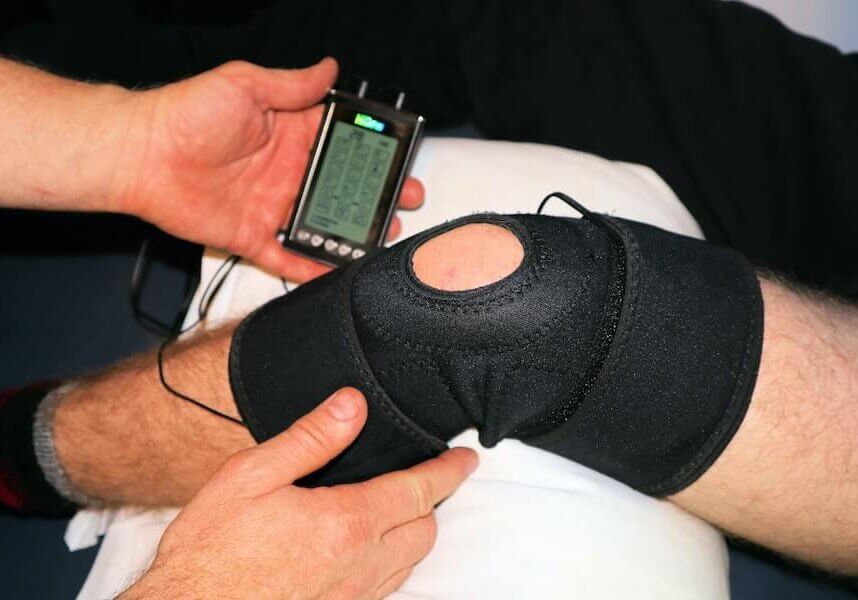
Your Physical Therapist will examine your leg’s functionality and combine those findings with your individual goals to create a tailored therapy program. They will put together a system that focuses on reducing inflammation, relieving pain, and training your muscles properly. If you’re recovering from knee surgery, we’ll work in conjunction with your healthcare provider and their recommendations to provide a well-rounded care plan.
Often if you’re having trouble putting weight on your knee or if the joint feels unstable, it’s natural to stay off of your feet. But is that the best thing you can do? It depends. For a time, that might be the best thing for you as your injury or surgery recovers. But performing the right movements under careful supervision can actually serve to ease muscle and joint pain. Since physical therapy is based on a combination of stretches, exercises, and ingraining healthy postural habits, it’s effective for preventing further pain as well. The exact exercises and whether they will include other parts of the body depends on the cause of pain, as well as other patient circumstances.
We strongly encourage you to make an appointment so you can get some relief and peace of mind. In the meantime, stay off of your bad leg as much as possible. Be sure to elevate your knee when you’re sitting down. Take 15-20 minutes morning and evening to ice your injury. We do our best to book our patients’ appointments as soon as possible. But we hope to reduce your symptoms as much as we can with some home care in the meantime.
Physical therapy for foot pain will typically include:
- A thorough examination of the patient’s walk, balance, any potential swelling, and much more.
- Stretches designed to minimize joint and muscle pain.
- Active exercises designed for strengthening and stabilizing knees
- Hands-on physical therapy and treatments such as Blood Flow Restriction Therapy.
- Carefully crafted home exercise program.
Your physical therapist is there to guide you every step of the way. An experienced physical therapist knows exactly what questions to ask and signs to look for.
Why Visit a Physical Therapist for Knee Pain?
Your physical therapist is there to help you master your technique. With improper form, the same exercises that are designed to heal you could actually harm you. By using the wrong muscles, favoring one side of the body, or improperly balancing your weight, such exercises can have a completely different effect on your body. Your physical therapist is there to guide you every step of the way. An experienced physical therapist knows exactly what questions to ask and signs to look for, indicating you’re executing the exercise properly.
Best Physical Therapy in Reading, PA
When you plan a visit to our office, you’ll be seen by our physical therapist, Joe Miller. Joe has spent over 30-years serving patients in the Reading and Berks area. He’ll listen to your symptoms and concerns, conduct a careful assessment, and put together a care plan to get you feeling your best. He’ll guide you through every step of your physical therapy plan. You won’t be caught off guard by any methods or treatment techniques. We keep our patients informed and comfortable throughout their entire appointment. If you’re experiencing recurring or worsening knee pain, plan your visit and start feeling some relief.