Total ankle replacement surgery, also known as total ankle arthroplasty, is a procedure commonly performed by orthopedic surgeons. The surgery has highly successful outcomes that can significantly increase the quality of life of a patient. Steady growth and innovation within the medical community have led to even stronger outcomes than in years past, and the materials used continue to improve.
If you are experiencing ankle pain when performing simple day-to-day tasks such as climbing the stairs or getting in and out of bed, you may be a candidate for total ankle replacement surgery. Before you decide to go under the knife, try some less invasive treatment options first. Plenty of patients have had quality relief provided by conservative treatments such as injections, medications, and physical therapy. In the event you have tried all conservative options available, and still have not felt relief, then proceeding with replacement surgery may be the best course of action.
What is Ankle Replacement Surgery?
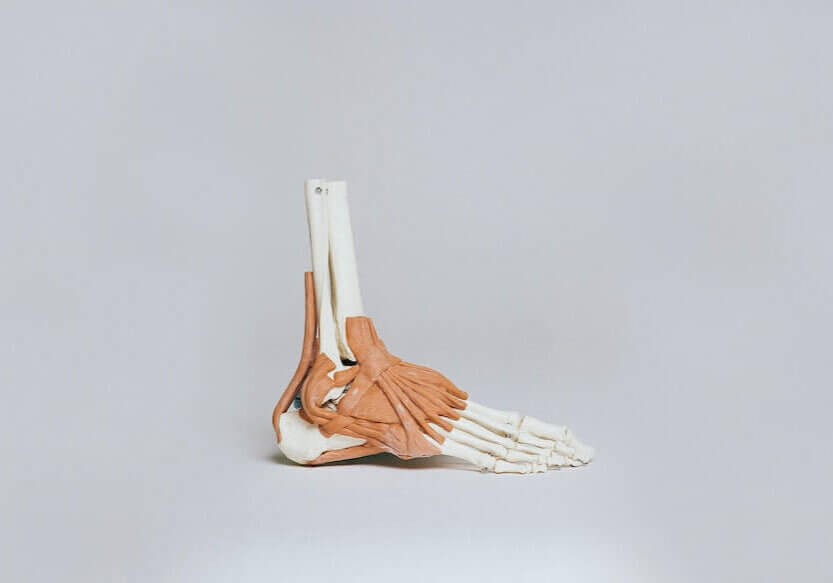
The ankle (known as the tibiotalar joint) is a complex joint made up of cartilage and bone. Three separate bones come together to form the ankle: the tibia, the fibula, and the talus. This joint allows the foot to move in relation to the leg.
Much like other forms of arthroplasty, total ankle replacement surgery involves the removal of damaged cartilage and bone that are replaced with synthetic materials like plastics and metal.
Causes of Needing an Ankle Replacement
By and large, the most common cause of needing a total ankle replacement is arthritis. The bone-on-bone friction, synonymous with arthritis, is the leading cause of all arthroplasty surgeries.
Other causes include, but are not limited to:
- Avascular necrosis
- Gout
- Traumatic injury
- Excessive bone growth

We see numerous patents recovering from a shoulder replacement from the following establishments:
Physical Therapy for an Ankle Replacement
Before Your Surgery
When it comes to the health of not only the ankle, but all joints in the body, targeted exercises are incredibly important.
Most doctors recommend beginning a physical therapy program before your surgery, as well as after, because the body will have a substantially easier time acclimating to the new joint if the muscles around it are in good shape. By consulting a licensed physical therapist before your ankle surgery, you will be given the guidance necessary to ensure you strengthen the muscles that need it, and that you do not injure yourself further.
Physical therapy before your surgery aims to:
- Strengthen the muscles surrounding the ankle joint
- Reduce post-op complications
- Ease pain
- Reduce recovery time
After Your Surgery
After your surgery, physical therapy is helpful in ensuring the smoothest recovery possible. It is very easy to further injure yourself in the early stages of your recovery, so consulting a physical therapist is necessary to understand the limits of your new ankle. Ordinary tasks like tying your shoes, and getting out of bed may now seem intimidating, and a good doctor will show you how to manage them properly.
Physical therapy after your surgery aims to:
- Regain full range of motion
- Improve quality of life
- Increase the lifespan of your new joint
- Strengthen your muscles
- Heal the joint properly, so that you no longer need therapy
If you are experiencing any redness, swelling, or fever associated with your ankle pain, you could be experiencing a potentially life-threatening infection and should seek medical attention immediately.
Top Rated Physical Therapist in Reading, PA
At Wyomissing Physical Therapy you will be seen by Dr. Joe Miller, who has spent the last 30 years using his passion for physical therapy to help the people of Reading, PA, and Berks county. Through every step of the way, Joe will address any questions and concerns you may have, and will individually tailor a program that meets your specific needs. If you are experiencing pain that affects your daily life, there is no need to accept it. Plan a visit to our office in Reading, and start feeling the relief you deserve.
Schedule AN APPOINTMENT