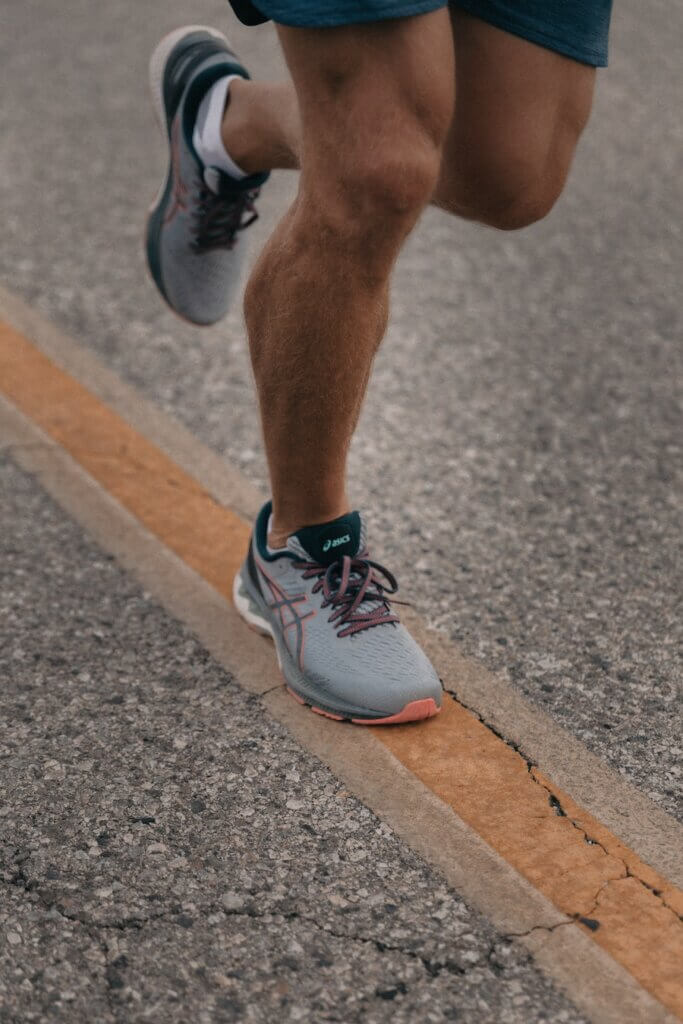
The patellofemoral (puh-tel-o-FEM-uh-rul) joint is located in the knee and is commonly the subject of pain-inducing ailments. Pain associated with the patellofemoral joint is often referred to as “runner’s knee”, and can be an incredible nuisance that doesn’t seem to go away. It may get in the way of daily activities as simple as walking up the stairs. On the bright side, there is no need to simply accept the issue and deal with it, as there may be non-invasive treatments options available to you. What can you do to help your knee pain? Can physical therapy help your patellofemoral problems? Take a few minutes of your time to read this article and find out now.
Causes of Runner’s Knee
There are many culprits that can cause runner’s knee, and while it’s commonly caused by high-impact sports, that isn’t always the case. Other factors such as structural issues, and even a certain way of walking may be the culprit.
Weak or unstable quadriceps: The large leg muscles at the front of the thigh are called the quadriceps and they help keep your kneecap in place when you bend or stretch your leg. In instances where these muscles are underused or are overly tight, they do not perform this function well and could be the cause of pain.
Misaligned bones: If any of the bones from the hips to the feet are improperly aligned, the kneecap may not move freely within its groove and thus, pain can be expected.
Overuse: Over time, the performance of high-stress movements like lunges, weighted squats, jumping exercises — and even running with improper form — can cause tension and pressure to build up around the knee which can cause pain.
Traumatic injury: Taking a large strike to the knee in a sports event is a common cause of pain.
Why You Should Visit a Physical Therapist for Runner’s Knee
Patellofemoral pain syndrome will not go away on its own. A licensed physical therapist can help you understand the root cause of your knee pain and how to avoid it, while teaching you exercises and techniques specifically tailored to your injury that — when executed with proper form — can keep the issue at bay.
What can physical therapy do for Runner’s Knee?
- Increase range of motion
- Reduce swelling
- Prevent recurring or worsening pain
- Reduce stiffness and pain of the knee
- Improve posture of the hips and legs to prevent further injury
- Improve your overall well-being by reducing pain and treating your injury
Best Physical Therapy in Reading, PA
When you plan a visit to our office, you’ll be seen by our physical therapist, Joe Miller. Joe has spent over 30-years serving patients in the Reading and Berks area. He’ll listen to your symptoms and concerns, conduct a careful assessment, and put together a care plan to get you feeling your best. He’ll guide you through every step of your physical therapy plan. You won’t be caught off guard by any methods or treatment techniques. We keep our patients informed and comfortable throughout their entire appointment. If you’re experiencing recurring or worsening knee pain, plan your visit and start feeling some relief.