What is a Concussion?
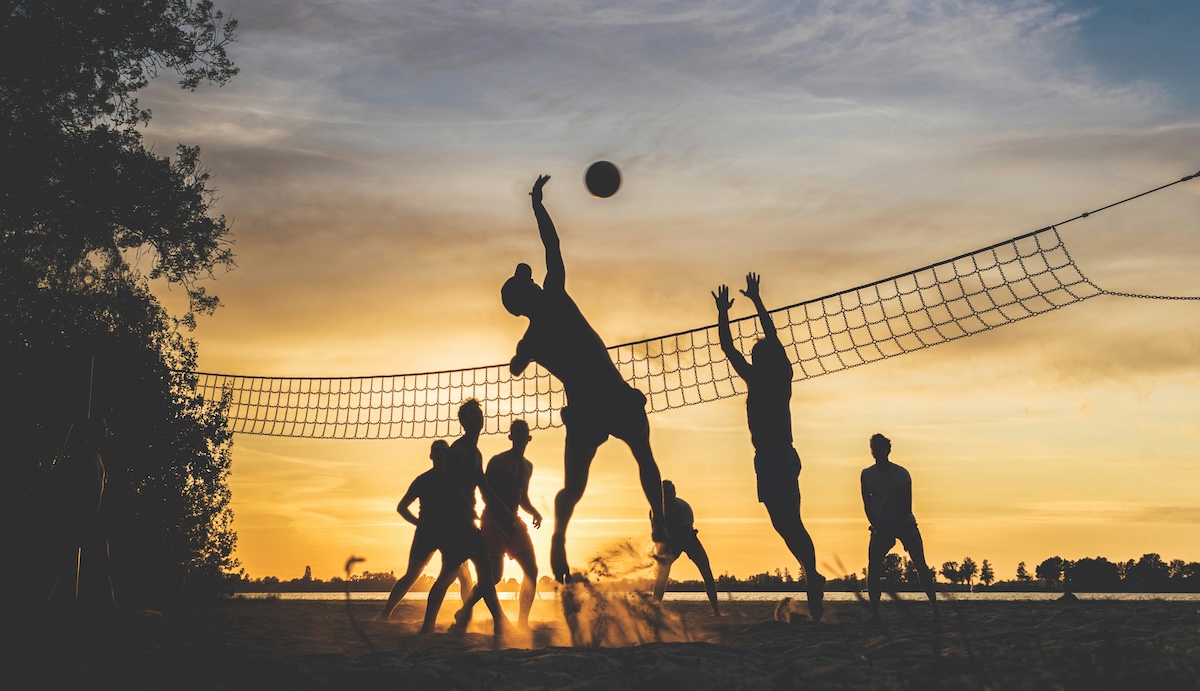
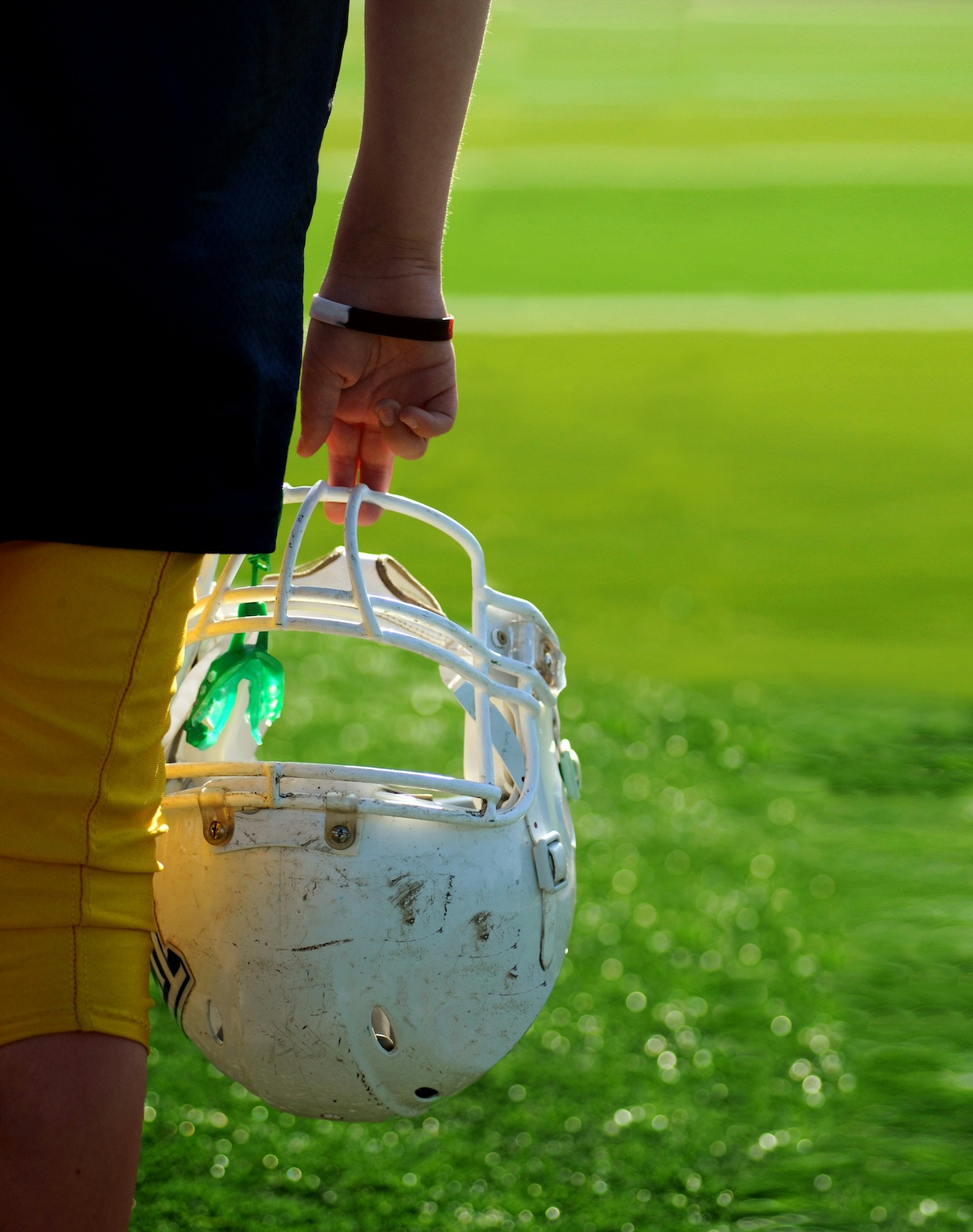
A concussion is a type of mild traumatic brain injury that can affect how the brain functions. While many people associate concussions with sports injuries, they can occur in a wide range of situations including falls, motor vehicle accidents, workplace incidents, and recreational activities. Symptoms can vary from person to person and may impact physical movement, thinking, balance, vision, and daily comfort.
At Wyomissing Physical Therapy, concussion rehabilitation focuses on helping patients recover safely while returning to normal routines with confidence. Physical therapy has an important role in managing symptoms, restoring function, and guiding patients through a structured recovery process.
Understanding Concussion Symptoms
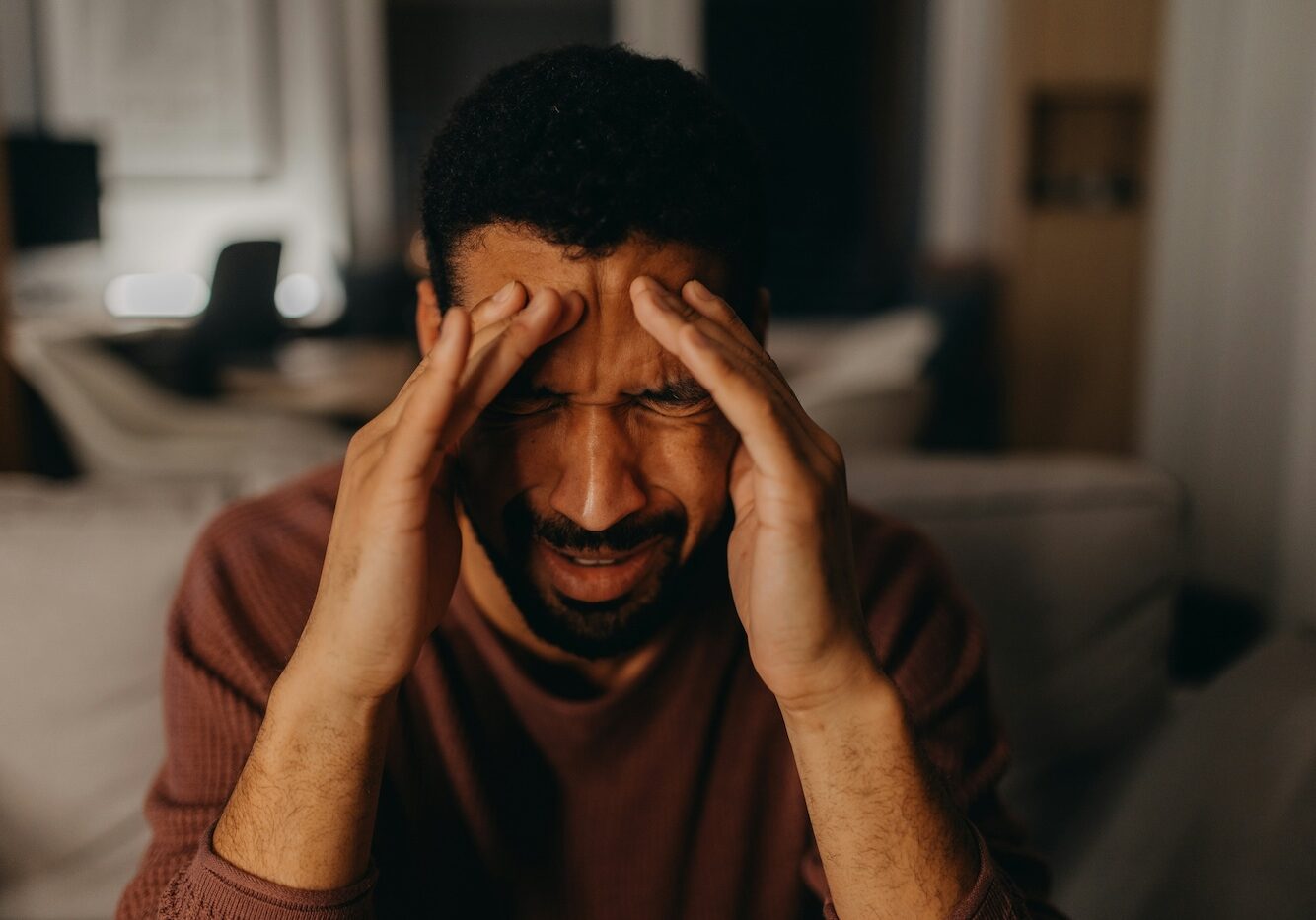
Concussion symptoms are not always immediate. Some individuals notice problems right away, while others experience changes hours or days after the injury. Symptoms often include:
- Headaches or pressure in the head
- Dizziness or balance challenges
- Sensitivity to light or noise
- Blurred or double vision
- Difficulty concentrating or memory problems
- Neck pain or stiffness
- Fatigue or sleep disturbances
- Nausea
- Feeling slowed down or mentally foggy
Because symptoms can overlap with other conditions, proper evaluation is important. Physical therapists trained in concussion management can identify movement, balance, and vestibular issues that may contribute to ongoing symptoms.
If you are experiencing worsening headaches, repeated vomiting, seizures, increasing confusion, slurred speech, weakness or numbness, or difficulty staying awake after a head injury, you may be experiencing a serious medical condition and should seek immediate medical attention.
Why Physical Therapy After a Concussion?
Many people are told to rest after a concussion, which is helpful in the early stages. However, prolonged inactivity can sometimes delay recovery. Current concussion management approaches often include guided, gradual activity and targeted rehabilitation strategies.
Physical therapy helps address several systems that may be affected by a concussion:
- Vestibular system, which controls balance and spatial awareness
- Oculomotor function, which supports eye tracking and visual focus
- Cervical spine function, which can contribute to headaches and dizziness
- Cardiovascular tolerance, which may decrease after injury
- Postural control and coordination
By evaluating these areas, physical therapists can create a plan tailored to each patient’s symptoms and goals.
Comprehensive Concussion Evaluation
Concussion rehabilitation begins with a detailed assessment. During the initial visit, our therapists review injury history, symptom patterns, and daily challenges. The evaluation may include:
- Balance and gait testing
- Eye movement and visual tracking assessment
- Neck mobility and muscle evaluation
- Positional dizziness screening
- Cognitive and exertion tolerance observations
This comprehensive approach allows our therapists to identify which systems are most affected and prioritize treatment accordingly.
Vestibular Rehabilitation
Vestibular dysfunction is common after a concussion and can lead to dizziness, motion sensitivity, and unsteadiness. Vestibular rehabilitation focuses on retraining the brain and body to process movement and positional information more effectively.
Treatment may involve:
- Habituation exercises for motion sensitivity
- Gaze stabilization activities to improve visual focus during movement
- Balance training on varied surfaces
- Walking tasks that challenge coordination
These exercises are progressed gradually based on symptom response, helping patients build tolerance to everyday movement.
Cervical Spine and Headache Management
Neck involvement is frequently overlooked in concussion recovery. Whiplash or muscle strain can contribute to headaches, dizziness, and limited movement. Physical therapy can address cervical spine impairments through:
- Manual therapy techniques
- Gentle mobility exercises
- Postural retraining
- Strengthening of neck and upper back muscles
Improving neck function often leads to meaningful symptom relief and better overall recovery.
Vision and Oculomotor Training
After a concussion, some individuals experience difficulty with reading, screen use, or visual tracking. Oculomotor deficits can cause eye strain, headaches, and challenges with concentration.
Our therapists may incorporate:
- Smooth pursuit and saccade training
- Convergence exercises
- Eye head coordination tasks
- Functional reading strategies
These interventions can help patients tolerate visual demands at school, work, and home.
Return to Activity and Sport Guidance
A structured return to activity is a key part of concussion rehabilitation. PTs guide patients through progressive activity levels that may include light aerobic exercise, sport specific movement, and functional daily tasks.
The goal is to reintroduce physical and cognitive demands while monitoring symptom response. This gradual progression supports recovery while reducing the risk of symptom flare ups.
For athletes, coordination with coaches, athletic trainers, physicians, and parents may be part of the process. For non athletes, therapy may focus on returning to work tasks, household responsibilities, driving, or recreational activities.
Individualized Treatment for Every Patient
No two concussions are exactly the same, and recovery timelines vary based on injury severity, medical history, age, and lifestyle demands. Wyomissing Physical Therapy takes an individualized approach that considers the whole person rather than focusing on a single symptom.
Treatment plans are adjusted as patients progress, with ongoing communication and education throughout the recovery journey. Patients are also provided with home exercises and strategies to manage symptoms between visits.
When to Seek Physical Therapy for a Concussion
Physical therapy may be beneficial if concussion symptoms persist beyond the initial recovery window or interfere with daily life. Individuals who experience ongoing dizziness, headaches, balance problems, neck pain, or difficulty returning to activity may benefit from rehabilitation.
Early evaluation can also be helpful for athletes or individuals seeking guidance on safe return to movement after injury.
Concussion Rehab at Wyomissing Physical Therapy
Wyomissing Physical Therapy offers concussion rehabilitation designed to address balance, vision, neck function, and activity tolerance in a comfortable, patient focused environment. Through personalized care and progressive treatment strategies, patients can move toward recovery with confidence and clarity.
If you or someone you know is dealing with concussion symptoms, contact Wyomissing Physical Therapy to learn more about available treatment options and schedule an evaluation.